A soaked carpet needs quick attention. Water can move deep into the fibres and backing. When moisture stays trapped, an unpleasant smell can develop. Many people try to solve this problem by adding more water and cleaning products. However, this can make drying harder. A better approach starts with removing excess moisture and identifying why the carpet became wet.
The right method also depends on the carpet material. Wool, synthetic fibres, handmade rugs, and delicate carpets can react differently to water and cleaning agents. Umar Carpets provides carpet washing, repair, and restoration services for suitable carpets and rugs. Its approach considers the condition of the material before treatment.
This guide explains How to wash Soaked & Smelly Carpet? It covers moisture removal, odour control, washing methods, drying, common mistakes, and situations where professional help may be appropriate.
Why Does a Soaked Carpet Start Smelling?
Water itself does not always create a strong smell. The problem can develop when moisture remains inside the carpet for too long. A wet floor covering can hold moisture between its fibres and backing. Air may not reach these deeper areas easily. As a result, the material can remain damp even when the upper surface begins to feel dry.
Damp conditions can also make existing dirt and residues more noticeable. Food spills, pet accidents, and other substances may contribute to unpleasant odours. The source of the moisture matters as well. Clean water from a simple spill is different from water that contains dirt or other contaminants.
Umar Carpets recommends considering the source and extent of moisture before choosing a washing method. This helps prevent unnecessary treatment.
How Trapped Moisture Affects Carpet
A carpet can absorb a surprising amount of water. Thick pile may hold moisture below the visible surface. The backing can also slow evaporation. If the backing remains wet, the carpet may continue to smell even after surface cleaning.
Humidity inside the room can make drying slower. Therefore, good airflow is an important part of the cleaning process.
| Condition | Possible effect on carpet |
| Small water spill | Local dampness |
| Heavy soaking | Moisture may reach deeper layers |
| Poor airflow | Slower drying |
| Wet backing | Longer drying period |
| Organic spill | Stronger unpleasant odour |
Why Smell Can Return After Cleaning
A surface wash may not remove material trapped deep within the carpet. If moisture remains below the pile, the smell can return later. This is why washing should not focus only on the visible area. The full structure needs consideration when a carpet has been heavily soaked.
What to Do Before Washing a Soaked Carpet
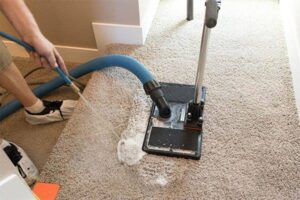
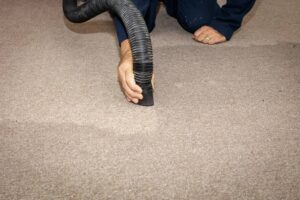
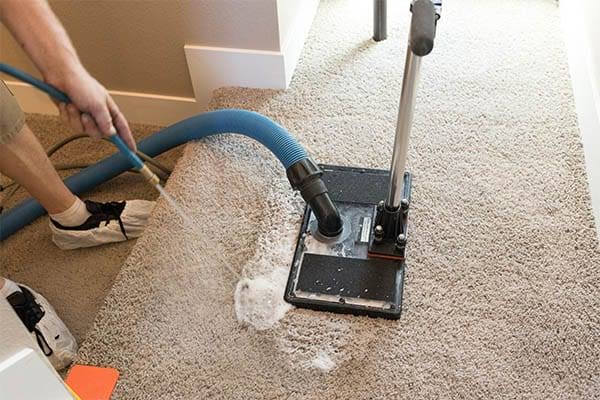
Start by removing standing water whenever possible. A clean absorbent towel can help with a small affected section. For larger amounts of water, suitable extraction equipment may be needed. The aim is to remove excess moisture before applying additional cleaning liquid.
Move items away from the wet area when it is safe to do so. Furniture can restrict airflow and may also transfer moisture to other surfaces.
Next, identify the source of the water. This can affect the cleaning approach and the level of care required. Do not immediately apply large amounts of detergent. Extra liquid can increase the moisture load and make drying more difficult. Umar Carpets recommends assessing the carpet before intensive washing. Material, construction, colour, backing, and the type of liquid involved can all influence the appropriate process.
Check the Carpet Material First
Look at the carpet label if one is available. The manufacturer’s care instructions can provide useful information about washing and drying. Wool and other natural fibres may need gentler handling. Some rugs can also contain dyes that require careful treatment.
Synthetic carpets may have different washing requirements. However, their backing can still retain moisture. Umar Carpets can help when the material is difficult to identify or the carpet needs specialist care.
Separate Surface Dirt From Deep Contamination
A soaked carpet may contain dirt that moved further into the pile with the water. Simply wiping the top may not remove it. The cleaning process should therefore match the level of contamination. Heavy soaking may require more controlled extraction than a small surface spill.
How to Wash Soaked & Smelly Carpet Safely
Once excess water has been removed, the carpet can be assessed for washing. The selected method should match the fibre and construction. Begin with gentle cleaning rather than aggressive scrubbing. Hard brushing can disturb fibres and change the surface texture.
Use a suitable carpet cleaning solution when the material allows it. Avoid mixing different cleaning chemicals because their reactions can be unpredictable. Work in manageable sections if the carpet is suitable for home washing. This makes it easier to control moisture and monitor the cleaning result.
Rinse carefully when the cleaning method requires rinsing. Residue left inside fibres can affect the carpet’s feel and attract further soil. Umar Carpets uses material-aware cleaning practices for appropriate carpets and rugs. A professional Carpet Washing Company HK can be useful when a large covering has absorbed substantial moisture.
Control Water During Washing
Adding more water is not always the answer to a dirty carpet. A soaked item already contains significant moisture. Use only the amount required by the chosen cleaning method. Controlled moisture makes the later drying stage easier. Extraction becomes especially important after washing. Removing as much moisture as practical can shorten the drying process.
Treat the Source of the Odour
Cleaning should address the material causing the smell rather than simply covering it with fragrance. Perfumed products may temporarily change the smell without removing the underlying residue. This can make it difficult to know whether the carpet is actually clean. A suitable cleaning method should target the affected area while protecting the surrounding fibres.
Umar Carpets can assess carpets where odour continues after ordinary cleaning. The correct treatment depends on what caused the smell.
How Different Carpets React to Washing
Every carpet has its own characteristics. Fibre type is one of the most important factors to consider before washing. Handmade rugs may also need specialised treatment because their construction can differ from machine-made floor coverings.
Synthetic carpets can tolerate certain cleaning methods well, but this does not mean that every synthetic item should receive the same treatment. Old rugs need extra attention when their fibres or backing have weakened with age.
Washing Wool Carpets
Wool can absorb moisture and may require controlled handling during washing. Avoid harsh treatment that could disturb its natural surface. Drying should also be gradual and well managed. Excessive heat may not suit every wool item. Umar Carpets can assess a wool carpet before selecting a suitable cleaning approach.
Washing Handmade and Delicate Rugs
Handmade rugs can contain detailed patterns and carefully constructed fibres. Aggressive cleaning may affect their appearance. Delicate rugs should be handled according to their actual material and condition. Home washing may not be suitable for every valuable or fragile piece. Professional assessment can reduce the chance of using an unsuitable cleaning process.
When a Soaked Carpet Needs Repair
Water exposure can reveal problems that were already present. Weak seams, loose edges, or damaged backing may become more noticeable when the carpet becomes wet. Moving a heavy soaked carpet can place extra strain on weak sections. Therefore, avoid pulling damaged areas.
If the carpet has torn, stretched, or developed loose sections, washing alone may not solve the problem. Umar Carpets provides repair-related services for suitable carpets and rugs. Carpet Repairing HK can be relevant when moisture exposure is followed by visible structural damage.
Repairing Loose or Damaged Sections
A loose edge should not be pulled back into place by force. The correct repair depends on how the carpet was constructed. Small damaged areas may need local repair. Larger problems may require more extensive attention. A professional inspection can identify whether the issue is limited to the surface or extends into the backing.
When Carpet Restoration Is Needed
A soaked carpet may also have older wear, fading, weakened fibres, or previous damage. In such cases, simple cleaning may not address its complete condition. Carpet Restoration Hong Kong services can be considered when a rug requires broader care. Restoration can involve more than washing. The appropriate work depends on the item’s age, construction, material, and condition.
Common Mistakes When Washing a Smelly Carpet
One frequent mistake is using too much water. A soaked carpet already has a high moisture level, so excessive liquid can extend the drying period. Another mistake is scrubbing aggressively. Strong friction can damage fibres or change their appearance.
Using several cleaning chemicals together can also create problems. Different products may react with one another or leave unwanted residues. Covering the carpet before it has fully dried is another poor practice. Limited airflow can keep moisture trapped inside.
Some people use strong heat to speed up drying. Direct intense heat may not suit certain materials. Umar Carpets in Hong Kong recommends controlled cleaning and drying rather than rushed treatment. The carpet should be handled according to its specific needs.
When Should You Choose Professional Carpet Washing?
Home cleaning may work for certain small spills and washable materials. However, heavily soaked carpets can be difficult to clean and dry properly. Professional help may be useful when the carpet is large, delicate, handmade, heavily contaminated, or difficult to move.
Umar Carpets can provide carpet washing services for suitable rugs and floor coverings. Its assessment can help determine whether washing, drying, repair, or restoration is more appropriate. If the carpet has both stains and structural damage, treating the problems separately may be necessary.
For professional carpet care, you can Contact Now +852 9810 1943.
Frequently Asked Questions About Soaked & Smelly Carpets
Can I wash a carpet that is already soaked?
You should first remove excess water. Adding more liquid before assessing the material can make drying harder.
Why does my wet carpet smell bad?
Trapped moisture can contribute to unpleasant odours. Existing dirt, organic residues, or contaminated water can also affect the smell.
Can baking soda remove a wet carpet smell?
Baking soda may help with some surface odours, but it does not replace proper moisture removal and suitable cleaning.
Should I use hot water on a soaked carpet?
Not every carpet is suitable for hot-water treatment. The fibre, backing, dyes, and manufacturer’s care guidance should be considered first.
How can I dry a soaked carpet quickly?
Remove excess moisture first, then improve airflow and control indoor humidity. Avoid using intense direct heat on delicate materials.
Can a soaked carpet be saved?
Many carpets can receive suitable cleaning or repair after water exposure. The outcome depends on the material, contamination, damage, and drying conditions.
Should I use perfume to hide carpet odour?
It is better to address the source of the smell. Fragrance may mask an odour without removing the material causing it.
Can wet carpet damage its backing?
Prolonged moisture can affect some backing materials. An inspection can determine whether the structure has been affected.
When should I call a Carpet Washing Company in HK?
Professional help is worth considering when the carpet is heavily soaked, difficult to handle, delicate, or still smells after ordinary cleaning.
Can Umar Carpets repair a carpet after water damage?
Umar Carpets provides repair services for suitable carpets and rugs. The appropriate solution depends on the type and extent of damage.